
Infectious Diseases
Lyme Disease – The Invisible Danger
How Ticks Challenge Our Immune System
Lyme disease – a diagnosis that often causes uncertainty and concern among patients and practitioners alike. The infectious disease transmitted by ticks has become a real challenge for the healthcare system. More and more people are reporting fatigue, joint pain and neurological deficits, which are often only associated with Lyme disease at a late stage.
While the tick is the focus as a carrier, the disease remains a chameleon among infectious diseases: diverse, difficult to grasp and often chronic. In this article, I highlight current findings, challenges and innovative therapeutic approaches in dealing with Lyme disease.
How Does Lyme Disease Develop?
Lyme disease (also: Borreliosis) is an infectious disease caused by bacteria of the genus Borrelia. In Europe, Borrelia burgdorferi is the main cause. Transmission occurs almost exclusively through the bite of infected ticks, especially the common wood tick (Ixodes ricinus). Ticks prefer to live in forests, tall grass and bushes. They are usually picked up by passing animals or humans. After the bite, the Borrelia migrate from the tick’s intestine into its saliva and enter the host’s bloodstream. The duration of the sucking act is decisive for the risk of infection: the longer the tick sucks (usually over 12 hours), the greater the probability of transmission. The bacteria spread locally in the skin and afterwards can then spread throughout the body via blood and lymphatic vessels. Borrelia skilfully evade the immune system by changing its surface structures. As a result, they can persist in the body for a long time and affect various organs – from skin and joints to the nervous system.
Symptoms And Consequences
The symptoms are diverse and can vary greatly depending on the stage of the disease and organ system. The disease often progresses in several phases, although not all patients go through each phase. In the early stages, a few days to weeks after the tick bite, erythema migrans often occurs – a ring-shaped, spreading redness around the bite site. It is considered the main symptom. Fever, headache and aching limbs, fatigue and swelling of the lymph nodes can occur. If left untreated, Lyme disease can progress to the second stage, where the bacteria spread throughout the body. Neuroborreliosis (e.g. facial paralysis, meningitis), cardiac arrhythmias or joint inflammation (Lyme arthritis) can occur here. Skin changes are also possible. In the late stage, which occurs months to years after the infection, persistent joint pain, chronic skin changes (acrodermatitis chronica atrophicans) and neurological deficiencies dominate. Some patients develop post-Lyme syndrome with persistent exhaustion, difficulty concentrating and pain, even though no active pathogens can be detected. The consequences of Lyme disease can be serious, especially if diagnosed late or inadequate treatment. Chronic courses are often accompanied by a significant reduction in quality of life. Therefore, early detection and therapy are crucial to avoid consequential damage.
(German) Tick Species That Transmit Lyme Disease
There are various tick species in Germany, but only a few play a role as carriers of Lyme disease. Over 90% of all Lyme disease cases are caused by the common wood tick. It is widespread and prefers moist forests, parks and gardens. It is not host-specific and affects both humans and numerous animal species. The following other tick species are considered potential carriers of Borrelia, but they play a subordinate role in Germany:
- lxodes hexagonus (hedgehog tick): Occurs in hedgehogs, dogs and cats. Transmission to humans is rare.
- lxodes persulcatus (taiga tick): This species is mainly found in Eastern Europe and Asia, but has also been detected in Germany.
- Dermacentor reticulatus (riparian forest tick): Known as a vector of other diseases (e.g. babesiosis), not primarily responsible for Lyme disease.
Classical Conventional Medical Therapy
The conventional medical treatment of Lyme disease is primarily based on antibiotic therapy. The aim is to eliminate Borrelia as early as possible and to prevent complications and chronic courses. The choice of antibiotic depends on the stage of the disease, the age of the patient and the organs affected. In the early stages, doxycycline, amoxicillin or cefuroxime are used. The duration of therapy is 14-21 days. For children under 8 years of age and pregnant women, amoxicillin or cefuroxime is preferred. In the case of advanced Lyme disease and involvement of the nervous system (neuroborreliosis) or the heart, intravenous antibiotics such as ceftriaxone or cefotaxime are used. The duration of treatment here is usually between 14 and 21 days. After completion of therapy, most patients can be expected to make a complete recovery. If symptoms persist, it is called post-Lyme syndrome, the cause of which has not been clearly clarified and which is not treated by further antibiotics.
Naturopathic Approaches
Naturopathy is often used as an accompaniment to conventional medical therapy to strengthen the immune system, alleviate symptoms and promote regeneration.
Info: Naturopathic procedures do not replace conventional medical therapy, but can be a useful supplement and improve the quality of life. The selection of methods should be made individually and in consultation with an experienced therapist.
Here is an overview of the proven naturopathic measures:
Phytotherapy
Medicinal plants play an important role in the concomitant therapy of Lyme disease. The aim is to strengthen the immune system, inhibit inflammatory processes and support the body’s own defenses. The following plants are mainly used for Lyme disease:
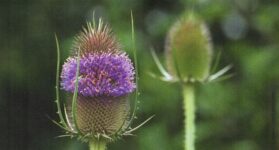
- Teasel (Dipsacus fullonum): In European medicine, teasel is considered a classic Lyme disease remedy. It detoxifies, promotes blood circulation and strengthens the immune system.
- Japanese knotweed (Polygonum cuspidatum): This plant contains resveratrol, which has an antioxidant effect and inhibits the reproduction of Borrelia.
- Cat’s claw (Uncaria tomentosa): Known from South American folk medicine, cat’s claw is used for its immunomodulating and anti-inflammatory properties.
- Garlic, ginger, turmeric: These plants possess antimicrobial and anti-inflammatory properties and can be used for general support.
Micronutrients
Micronutrients play a central role in supporting the immune system and regeneration after infections such as Lyme disease:
- Vitamin D: Strengthens the immune system and regulates inflammatory processes. A deficiency is common and should be compensated for, because vitamin D promotes the formation of antimicrobial peptides.
- Vitamin C: Has an antioxidant effect, supports collagen formation and helps fight off infections. In higher doses, it is anti-inflammatory.
- Zinc: Is essential for the function of immune cells and wound healing. Zinc deficiency can increase susceptibility to infections.
- Selenium: Has antioxidant properties, supports detoxification and immune defense.
- Omega-3 fatty acids: Inhibit inflammation and help relieve joint discomfort.
Homeopathy
Homeopathy is used by many naturopaths as a supplementary measure for Lyme disease. The aim is to support the organism in coping with the infection, alleviate symptoms and strengthen the self-healing powers. The selection of homeopathic remedies is made individually according to the symptom picture and the overall condition of the patient. The frequently used individual remedies include:
- Ledum palustre: Classic remedy after tick bites, when the bite site is swollen, bluish and painful.
- Borrelia nosode: Used for chronic or recurrent ailments to stimulate the immune system.
- Gelsemium: For weakness, shivering and aching limbs.
- Arnica montana: To support after injuries, bruises or in case of weakness.
Complex remedies are also used, which combine different homeopathic substances and are tailored to certain symptoms or phases of the disease.
Intestinal cleansing
Intestinal cleansing plays an important role in the holistic treatment of Lyme disease, especially after or during antibiotic therapy. Antibiotics not only attack the disease-causing Borrelia, but also affect the beneficial intestinal bacteria. A disturbed balance of the intestinal flora can weaken the immune system, impair digestion and increase the risk of further infections or chronic complaints. The following measures are at the heart of intestinal cleansing:
- Probiotics: Contain live lactic acid bacteria such as Lactobacillus or Bifidobacterium, which help rebuild the intestinal flora and strengthen the immune system.
- Prebiotics: lnulin or oligofructose serve as food for the beneficial intestinal bacteria and promote their proliferation.
- Dietary change: A high-fiber, low-sugar and wholesome diet supports the regeneration of the intestinal flora.
- Avoid irritating substances: Alcohol, highly processed foods and artificial additives should be avoided to protect the intestinal wall.
An intestinal cleanse can take different lengths of time for each individual, but a cure lasting several weeks is usually recommended.
 Detoxification And Drainage
The background to this is the assumption that not only the Borrelia themselves, but also their metabolic products as well as the pathogens killed by antibiotics can put a strain on the organism. Targeted support for the detoxification organs helps to reduce these stresses and promote regeneration:
- Liver support: bitter substances like milk thistle, dandelion or artichoke stimulate liver function and support detoxification.
- Lymphatic drainage: Manual lymphatic drainage or herbal remedies such as red clover and nettle activate the lymphatic flow and the removal of metabolic products.
- Stimulation of excretion: Drinking plenty of fluids (water, herbal tea), an alkaline-rich diet and regular exercise get kidney function and excretion through the skin going.
- Therapeutic fasting and detox cures: Short-term fasting phases or detox programs activate the body’s self-cleaning powers.
Exercise And Relaxation
Physical activity and relaxation techniques are essential in the holistic treatment of Lyme disease. Many patients suffer from fatigue, muscle and joint pain as well as concentration disorders. Moderate exercise is good for alleviating these symptoms and promoting regeneration. Gentle activities such as walking, swimming, cycling or light yoga are well tolerated. They improve blood circulation, strengthen muscles/joints and support the immune system. Physical overload should be avoided. Relaxation is also important: Chronic stress weakens the immune system and promotes inflammatory processes. Meditation, autogenic training, PMR [Progressive Muscle Relaxation] and breathing exercises reduce stress, can improve sleep and activate self-healing powers. Many patients report that relaxation exercises significantly alleviate their symptoms of exhaustion and pain. The combination of gentle movement and conscious relaxation promotes physical and mental recovery, strengthens quality of life and supports confidence in one’s own body.
Intriguing Questions From the Practice
What role do co-infections in tick bites play in the course of the disease?
In addition to Borrelia, ticks can also transmit other pathogens, such as pathogens of tick-borne encephalitis (TBE), anaplasmas, babesia or rickettsia. These co-infections often occur with Lyme disease and can significantly influence the course of the disease. Those affected often show atypical symptoms that complicate diagnosis and therapy. For example, severe fever attacks, pronounced muscle pain or organ involvement can occur. It is important for naturopaths and physicians to look for possible co-infections in atypical or severe Lyme disease cases and to adjust the therapy.
Is there a connection between Lyme disease and autoimmune diseases?
There are indications that an infection with Borrelia can have a lasting effect on the immune system. In some patients, symptoms develop that are reminiscent of autoimmune diseases, such as chronic joint inflammation or neurological complaints. It is suspected that the immune response to Borrelia triggers a malfunction in genetically susceptible people. In this way, the body’s own structures can be attacked. It seems that the infection can promote an autoimmune reaction in certain people. Therefore, in the case of persistent symptoms after Lyme disease, careful clarification is important in order to rule out other causes – such as autoimmune diseases.
What psychological stress do Lyme disease patients experience?
In addition to the physical complaints, many suffer from considerable psychological stress, e.g. fears, uncertainties regarding diagnosis and the course of therapy, as well as depressive moods. The often protracted development of the disease can lead to frustration, hopelessness, even social withdrawal. Exhaustion, concentration disorders and sleep problems also have a negative effect on the psyche. In addition, patients sometimes feel that their symptoms are not taken seriously, which can increase the feeling of helplessness. Holistic care that also takes mental health into account is therefore particularly important.
Conclusion:
Lyme disease is a complex infectious disease that poses challenges for patients and practitioners alike. Despite great progress in diagnostics and therapy, there are still uncertainties in early detection, treatment of chronic courses and in dealing with non-specific symptoms. Research is working on better laboratory tests, new therapeutic approaches and optimized prevention. Naturopathic procedures and integrative therapeutic approaches are becoming increasingly important in order to improve the quality of life of those affected in the long term. Close cooperation between conventional medicine, naturopathy and research is crucial to provide Lyme disease patients with the best possible care.
HP Abbas Schirmohammadi
Keywords: Drainage and detoxification, musculoskeletal system, Lyme disease (borreliosis), intestinal cleansing, homeopathy, immune system, microbiome, phytotherapy, pain therapy, ticks.

An Exclusive Translated Article for P2P Supporters
From the Monthly Publications of P2P
Published May 2026
From an article in Der Heilpraktiker, Volume 93, February 2026
Translation & redaction by: Carolyn L. Winsor, P2P Consulting
© Copyright 2026, Der Heilpraktiker, Abbas Schirmohammadi, Germany
AI Digital and online translation assistance utilized.